Coda Rosa: A Romantic Script Typeface for Elegant Branding
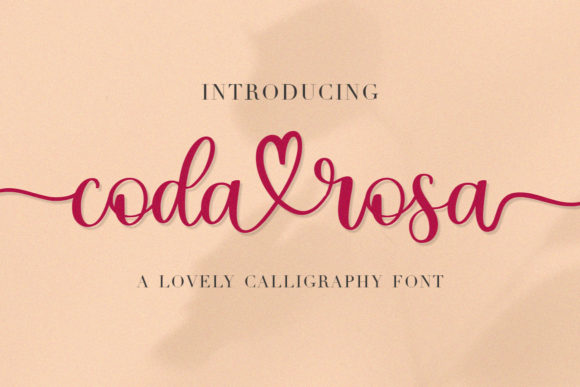
I remember the moment I realized my brand needed an upgrade. It was 2 AM, and I was staring at a mockup of my new line of artisanal soy candles. The scent names were written in a generic sans-serif font that felt cold and corporate, completely clashing with the warm, cozy vibe I wanted to convey. My packaging looked like it belonged on a bulk industrial cleaner, not a luxury gift set. That night, I made a decision: I needed typography that spoke before my customers even read the label. I needed something with soul, grace, and a touch of romance. That search led me to Coda Rosa, a romantic and delicate script font that exudes elegance and class.
As a small business owner, I often underestimate how much typography influences perception. We focus heavily on product quality and customer service, which is vital, but our visual identity is the first handshake we offer. When I integrated Coda Rosa into my branding, the shift wasn’t just aesthetic; it was strategic. This typeface isn’t just a collection of letters; it’s a mood setter. It was particularly crafted for those who need a beautiful and refreshing look to their designs, bridging the gap between handwritten authenticity and polished professionalism.
Why Coda Rosa Elevates Packaging Design for Small Businesses
The first place I applied Coda Rosa was to my product labels. For a candle seller or any handmade goods creator, the label is your silent salesperson. Before using this font, my labels felt cluttered and impersonal. By switching to Coda Rosa for the main product titles, I immediately introduced a sense of luxury and care. The flowing lines of this Script Handwritten style mimic the natural movement of calligraphy without the inconsistency of actual handwriting, ensuring every jar looks uniform and high-end.
This font works beautifully for short phrases and headlines where impact matters most. On a small sticker or a kraft paper tag, you don’t have room for paragraphs. You need a focal point. Coda Rosa provides that focal point with its elegant curves and refined structure. It transforms a simple cardboard box into a premium unboxing experience. Customers are more likely to share photos of their purchases on social media if the packaging feels special, and this font adds that "instagrammable" quality without looking over-designed. It signals to the buyer that attention to detail is part of the brand’s DNA.
Using Coda Rosa for Social Media Graphics and Digital Ads
In today’s digital landscape, your social media feed is your storefront. Scrolling through Instagram or Pinterest, users make split-second decisions about whether to stop and engage. Generic fonts get scrolled past; distinctive typography stops the thumb. I started using Coda Rosa for my quote graphics, promotional banners, and event announcements. Because it is a script font, it naturally draws the eye and adds a layer of sophistication to otherwise plain images.
However, readability is key when designing for mobile screens. While Coda Rosa is stunning, it is best used as a display font for headlines rather than body text. I pair it with a clean, modern sans serif font for captions and descriptions. This combination creates a balanced hierarchy: the script grabs attention with its romantic flair, while the sans serif ensures the information is easy to digest. This approach keeps my brand identity consistent across platforms while maintaining usability. Whether I am creating a flyer for a local pop-up shop or a digital ad for an online sale, Coda Rosa adds that extra layer of class that makes a design feel intentional and trustworthy.
Coda Rosa for Wedding Invitations and Event Branding
While my primary business is retail, the versatility of this typeface extends far beyond product labels. Many of my clients in the creative space use similar elegant scripts for wedding invitations, bridal shower cards, and event programs. The delicate nature of Coda Rosa makes it ideal for these occasions where romance and formality are paramount. It captures the essence of a classic wedding theme without feeling outdated. If you are a designer offering services to brides or event planners, having access to such a refined Script Handwritten font allows you to deliver custom-looking materials that feel bespoke and expensive.
Building a Cohesive Brand Identity with Strategic Font Pairing
One of the biggest mistakes I see small businesses make is using too many different fonts. It creates visual noise and dilutes brand recognition. Choosing one strong accent font like Coda Rosa helps unify your entire visual ecosystem. Once I committed to this typeface for all my headline needs, my brand suddenly felt more cohesive. My website banners, email newsletters, and even my thank-you cards began to speak the same visual language.
Effective font pairing is crucial here. Since Coda Rosa is intricate and decorative, it pairs exceptionally well with minimalist typefaces. I recommend combining it with a geometric sans serif for a modern, chic look, or a classic serif for a more traditional, editorial feel. This contrast ensures that your design remains legible while still showcasing the beauty of the script. Remember to check the included styles and weights before finalizing your design assets. Some versions of this font may include alternates or ligatures that can add unique touches to specific words, allowing for further customization in your logo design or branding materials.
Practical Considerations for Commercial Use and Licensing
For any entrepreneur, understanding the legal side of typography is non-negotiable. Not all Fonts are created equal when it comes to commercial rights. Before downloading or purchasing Coda Rosa, it is essential to review the license agreement. Ensure that the commercial font license covers your specific use cases, whether you are printing physical products, creating digital templates, or using the font in client work. Most high-quality script fonts come with clear guidelines regarding print runs and merchandise limits.
Additionally, verify the file formats provided. Standard packages usually include OTF and TTF files, which are compatible with most design software like Adobe Illustrator, Photoshop, and Canva. Checking for multilingual support is also wise if your target audience speaks multiple languages, though script fonts often have limited character sets due to their complex design. By doing this homework upfront, you protect your business from potential legal issues and ensure that your investment in better typography pays off in long-term brand equity.
Enhancing Customer Trust Through Polished Visuals
Ultimately, the goal of upgrading our visuals is to build trust. When a customer sees a business that invests in professional-grade design tools like Coda Rosa, they subconsciously assume the product quality matches that level of care. It reduces perceived risk. A bakery using this font on its menu looks established; a skincare brand using it on its bottle looks effective and pure. It is a small change with a massive psychological impact. By choosing a romantic and delicate script font that exudes elegance and class, you are telling your audience that you value aesthetics and excellence. In a crowded market, that distinction is everything.
If you are ready to move away from generic templates and want to give your brand the polish it deserves, consider integrating Coda Rosa into your next project. Whether you are redesigning your logo, updating your packaging, or simply refreshing your social media presence, this font offers the perfect blend of beauty and functionality. It proves that you don’t need a massive budget to achieve a high-end look—just the right creative choices. Start by experimenting with it on a few key assets, observe how your audience responds to the increased sophistication, and watch your brand identity transform from ordinary to unforgettable.