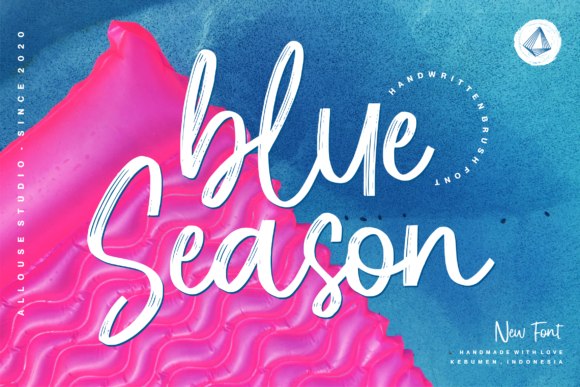
Blue Season: A Versatile Script Font for Designers
What is Blue Season?
Blue Season is a beautifully crafted script font that brings a touch of elegance and versatility to any design project. With its relaxed yet refined letterforms, it stands out in the crowded world of Script Handwritten fonts, offering a fresh aesthetic that blends professionalism with charm. Whether you're working on branding materials, wedding invitations, or social media graphics, this font adds a sense of warmth and sophistication.
If you're looking for an easy way to get started, you can find the Blue Season free download from trusted platforms like CreativeFabrica and DaFont. These sites often provide high-quality versions of premium Script Handwritten fonts, making them accessible for both personal and commercial projects. As one of the standout options in its category, Blue Season is designed for those who want a refreshing look without sacrificing quality.
Letterforms and Visual Personality
The letterforms in Blue Season are fluid and natural, mimicking the feel of handwritten cursive while maintaining a polished appearance. Each character flows smoothly into the next, creating a harmonious rhythm that's ideal for attention-grabbing headlines or expressive body text. The visual personality of the font is warm and inviting, perfect for designs that aim to connect emotionally with their audience.
Weight and Readability
Blue Season features a medium weight that balances delicacy with strength. It avoids the overly thin lines found in many script fonts, ensuring legibility even when used at smaller sizes. This makes it more versatile than some other Script Handwritten fonts, which often struggle to remain clear in different contexts.
Spacing and Flow
Spacing is well-considered in Blue Season, with generous kerning between characters that enhances readability without disrupting the flow. Unlike some similar script fonts, Blue Season doesn't feel cramped or cluttered when applied to longer text passages, making it a reliable choice for designers seeking both style and substance.
Blue Season for Logo Design
One of the most effective uses of Blue Season is in logo design. Its adaptability allows it to work equally well in minimalist logos as it does in more intricate brand identities. For businesses aiming to convey creativity and approachability, this professional Fonts font can be a game-changer. Just make sure to test it in black and white before finalizing your design.
Blue Season for Branding
In branding, consistency and tone matter. Blue Season’s relaxed yet elegant nature fits perfectly with lifestyle brands, fashion labels, and wellness companies. It helps create a cohesive identity that feels handcrafted and genuine. When paired with a strong sans-serif or serif typeface, it elevates the overall visual hierarchy and message clarity.
Blue Season for Wedding Invitations
Wedding invitations demand a font that feels special and timeless. Blue Season delivers just that — it’s soft enough to appear romantic but structured enough to maintain professionalism. You might consider using it for names and titles, especially if you’re designing wedding invitations/cards/typography with a modern twist. Many couples prefer the personal touch it offers over generic alternatives.
Blue Season for Social Media and Posters
When it comes to eye-catching posters or engaging social media content, Blue Season shines. Its script style adds flair without overwhelming the viewer. The font works particularly well in Instagram posts, Facebook banners, and promotional flyers. For Blue Season for posters/social media/packaging, ensure the background complements its delicate strokes to keep the focus on the message.
Blue Season for Website Headers
Websites often need headers that stand out without being too busy. Blue Season can serve this purpose beautifully when used sparingly. It’s not recommended for large blocks of text, but for hero sections, call-to-action buttons, or section titles, it brings a unique personality to the site. Make sure to pair it with a solid sans-serif font for body copy to maintain balance.
Font Pairing & Combinations
Choosing the right font pairing is essential for a balanced and readable design. So, what fonts pair well with Blue Season? Here are a few tried-and-true combinations:
- Serif + Script: Pair Blue Season with a classic serif like Playfair Display or Merriweather to add contrast and depth. This combination is great for editorial layouts or luxury branding.
- Sans-serif + Script: Combine Blue Season with a clean sans-serif such as Montserrat or Lato for a modern look. This pairing is excellent for digital interfaces or web headers where readability is key.
- Display + Body: Use Blue Season for display text and a simpler, geometric font like Open Sans or Roboto for body text. This ensures the message remains scannable while still feeling stylish.
For Blue Season font pairing, always consider the mood you're trying to set. If the goal is to evoke nostalgia, go with a traditional serif; for a contemporary vibe, opt for a sleek sans-serif. Testing different combinations in real-world scenarios will help you choose the best fit.
Licensing & Commercial Use
A common question among designers is: Is Blue Season free for commercial use? While there may be limited free versions available online, the full commercial license typically requires purchase. Always verify the font’s licensing terms before using it in paid projects. Platforms like CreativeFabrica offer clear licensing details, including whether the font supports Blue Season commercial use.
The Blue Season font license usually covers multiple use cases, from print to digital, but it's important to review the specifics. Some licenses restrict usage to certain mediums or require attribution. If you're planning to integrate Blue Season into your workflow regularly, investing in a premium version ensures legal compliance and access to all necessary variants.
How to Download & Use Blue Season
If you're interested in the Blue Season free download, check out sites like Google Fonts or DaFont, which sometimes offer free versions. However, for professional applications, it’s better to purchase a commercial license from reputable sources like CreativeFabrica or FontSquirrel. These platforms also allow you to preview the font before committing to a font bundle or individual purchase.
Once downloaded, using Blue Season in tools like Canva, Word, or Photoshop is straightforward. In Canva, simply upload the font file or select it from the font library. In Photoshop, install the font locally and apply it to your layers. If you're using Microsoft Word, installing the font will let you access it under the font dropdown menu. Regardless of the platform, always test how the font looks at different sizes and resolutions.
Designer Notes & Tips
As a designer, I recommend testing Blue Season in black and white first to assess its contrast and legibility. Sometimes, color can mask poor spacing or inconsistent stroke weights. Also, avoid using it in very small sizes unless you have a specific reason — the beauty of its curves can get lost in tiny text.
When comparing Blue Season vs similar font styles, note how it handles ligatures and flourishes. Many script fonts come off as either too formal or too playful, but Blue Season strikes a perfect middle ground. It's neither too ornate nor too plain, which is why it's considered one of the best Script Handwritten fonts for use case across industries.
To get the most out of Blue Season, experiment with layering and effects in design software. Subtle shadows or outlines can enhance its presence on posters or packaging. For Blue Season for branding, try using lighter shades for subtle accents and darker tones for bold statements.
Finally, always review the font’s spacing and kerning settings, especially when using it in tight layouts. Small adjustments can significantly improve the overall look and feel of your design. Remember, Blue Season isn’t just another pretty script — it’s a thoughtful, adaptable tool for creative professionals.